

If you have a pool in Florida, you already know how it is: the heat, the humidity, and those sudden afternoon storms make the water get dirty faster than anywhere else in the country. A lot of pool owners think the cheapest way to keep it clean is to handle everything themselves. At first it
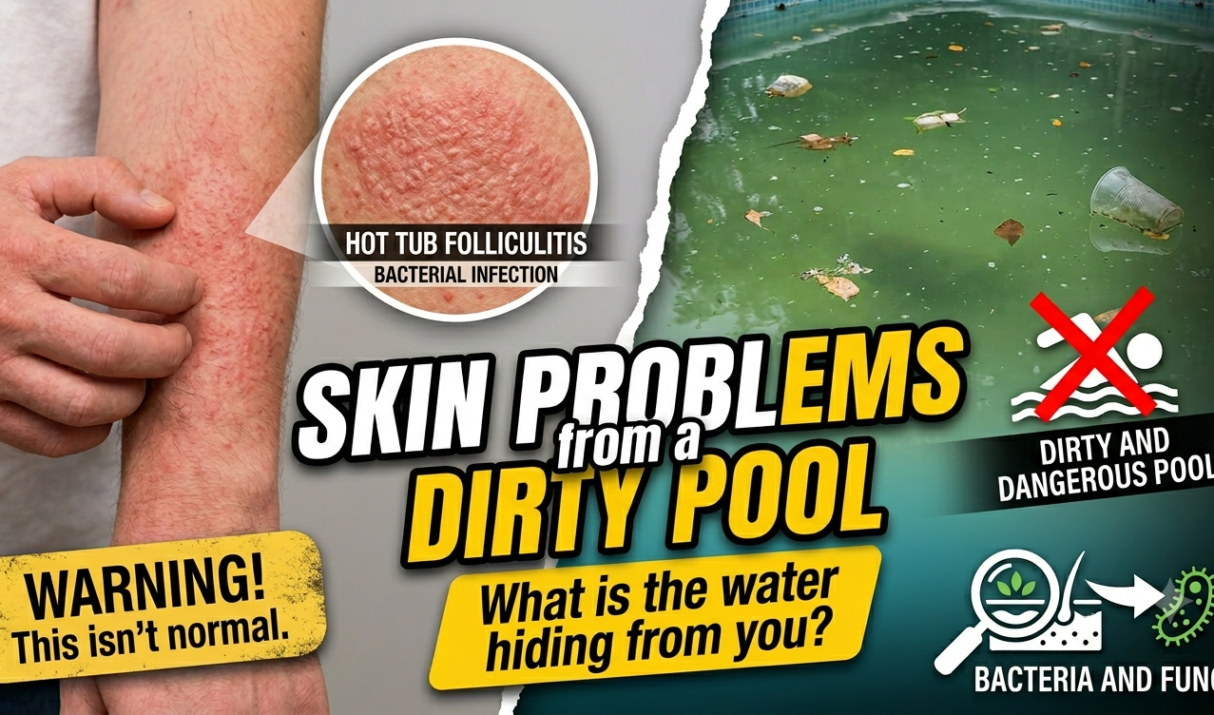
Let’s be honest: no one wants to swim in a dirty pool. But the problem is that sometimes the water can look relatively fine and still have a chemical imbalance or be full of bacteria. When pool maintenance fails, your skin is the first to pay the price. Here is what actually happens to your
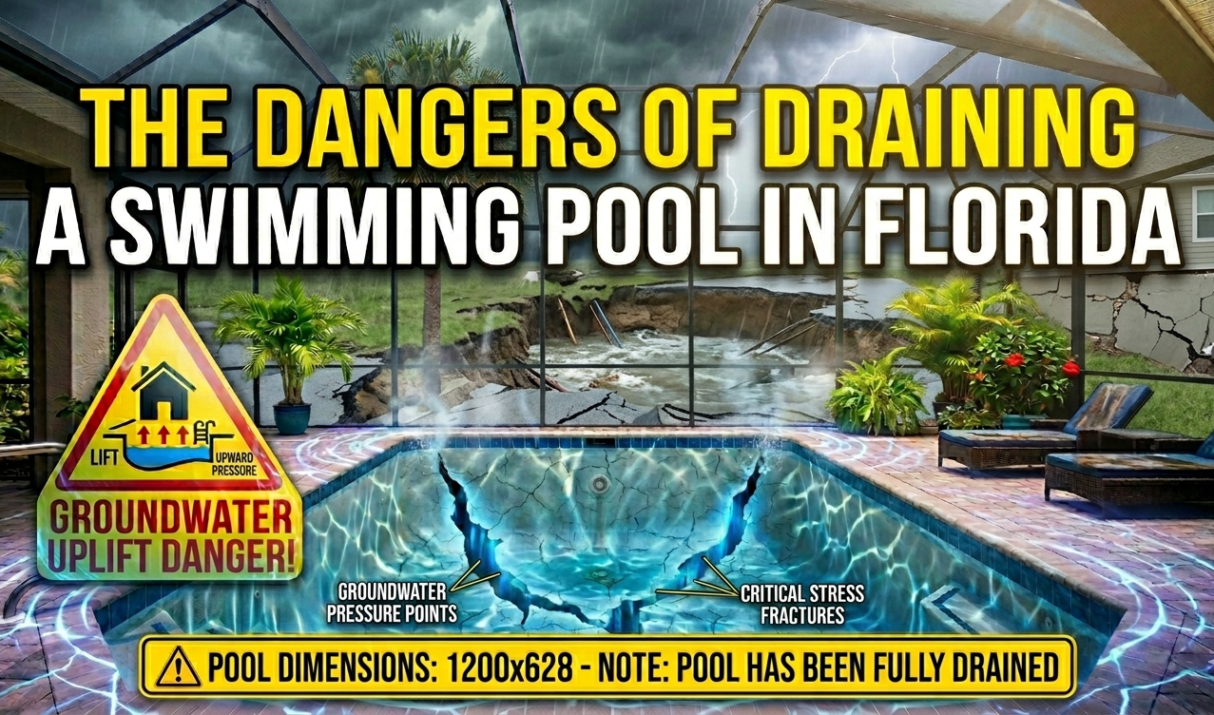
Seeing your pool water completely green frustrates anyone. The first thing we think is: “I’d better drain it all, clean it, and fill it with fresh water.” However, if you live in Florida, doing this is one of the worst mistakes you can make with your property. Here we explain right to the point why
In Florida, summer doesn’t end at 6:00 PM. In fact, for many homeowners, the best part of the day begins when the scorching sun retreats and the Gulf or Atlantic breeze finally starts to cool the air. If you only use your pool for splashing under the sun, you’re missing out on half the experience.
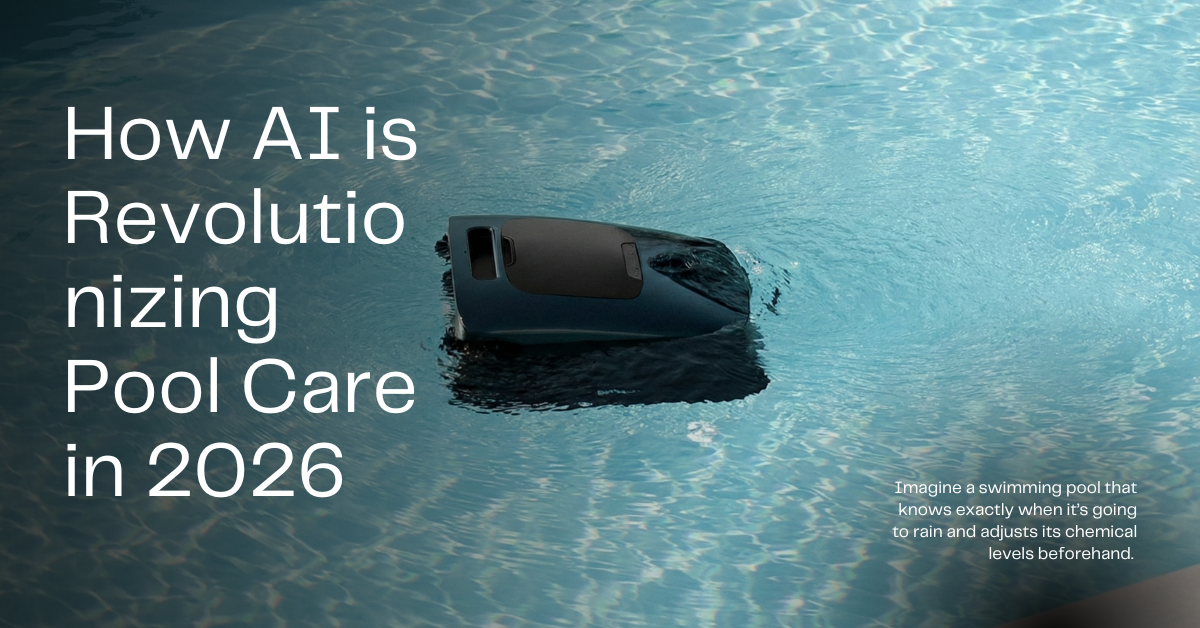
Imagine a swimming pool that knows exactly when it’s going to rain and adjusts its chemical levels beforehand. Or a robotic cleaner that maps your pool’s floor like a Roomba, hunting down debris with surgical precision. This isn’t science fiction; it’s the reality of the Smart Pool era. At Pro Quality Pools, we believe in
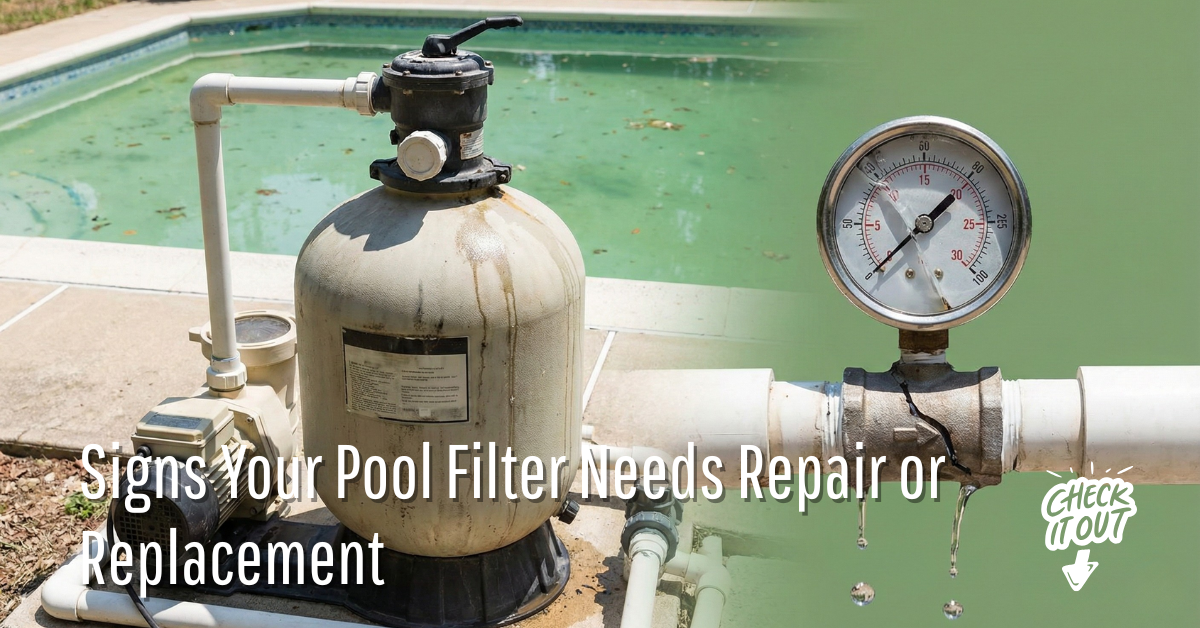
Your pool’s filter is its “lungs.” It keeps the water clean, clear, and free of contaminants. But over time—especially with Florida’s climate, constant use, and debris buildup—its performance can decline. Recognizing the signs early can help you avoid bigger, more expensive problems. Here are the most important indicators that your pool filter needs attention: 1.