Should I wear water shoes even in my pool

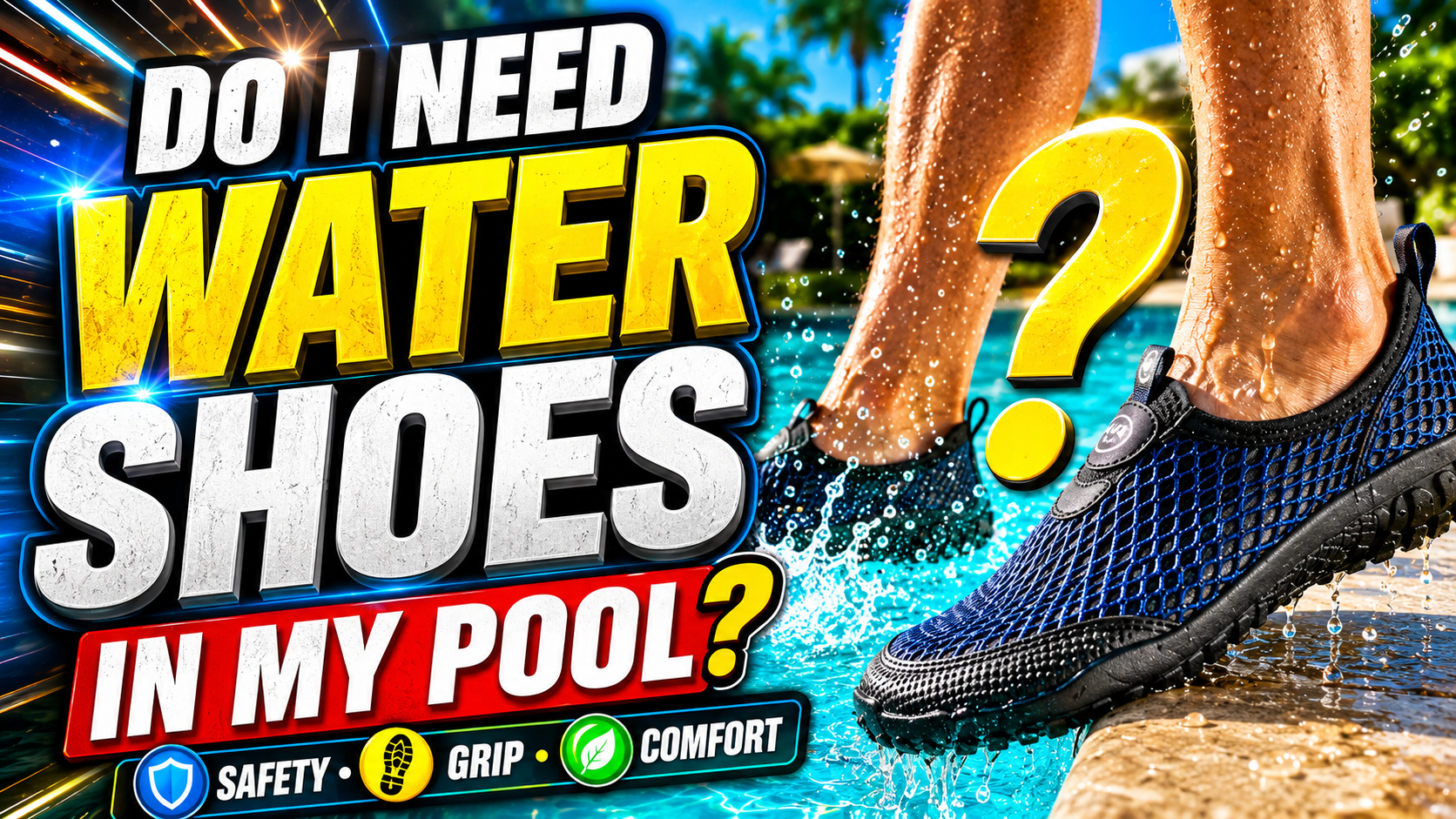
The classic image of an afternoon at the pool always includes bare feet. However, when analyzing water dynamics and modern pool construction materials, an interesting technical debate arises. Wearing water shoes in a controlled, private environment seems unnecessary at first glance, but the interaction between human skin and submerged surfaces reveals a very different biomechanical and chemical reality.
The microscopic friction of pool finishes
It is common to think that the bottom of a pool is designed to be completely smooth and soft. However, the most widely used finishes in the industry, such as gunite (sprayed concrete) or marcite (a mixture of plaster and marble dust), have an intentionally porous texture. At a microscopic level, these surfaces act like ultra-fine sandpaper.
Although the initial touch underwater may not be bothersome, repetitive contact for hours generates micro-abrasions on the epidermis. This constant friction erodes the protective barrier of the sole long before the body has time to form defensive calluses. The result is often extreme sensitivity or unexplained plantar redness that appears the next day, which is completely prevented by a rubber sole.
Hyperhydration and localized chemical exposure
Treated water alters the physical structure of the skin. The stratum corneum (the outermost and thickest layer of the soles of the feet) undergoes a process of “hyperhydration” when subjected to prolonged immersion, becoming extremely permeable.
A little-known fact is that, in this state of hyperpermeability, byproducts derived from water disinfectants penetrate the sole of the foot much more easily. This strips away lipids (natural oils) at a much faster rate than on the rest of the body, leading to severe dryness and long-term cracking. A water shoe acts as a semi-permeable shield that slows down this massive absorption and helps retain the skin’s natural moisture.
The “grip reflex” and aquatic muscle fatigue
When walking in an environment where gravity is reduced by buoyancy, the human body compensates for the instability by altering its natural gait. Completely unconsciously, the toes contract to try to “grip” the slippery bottom and maintain balance.
This continuous phenomenon, known in biomechanics as the compensatory grip reflex, causes excessive tension in the plantar fascia and the intrinsic muscles of the foot. This permanent contraction generates deep structural fatigue that is often mistakenly confused with simple swimming exhaustion. Wearing water shoes with a textured sole deactivates this nervous reflex; by sensing artificial traction, the nervous system relaxes the foot, allowing it to rest in its correct posture and distributing body weight efficiently.
In conclusion
The decision to use water shoes in a private pool goes far beyond a simple precaution against slipping or protection from external elements. It is a technical measure to mitigate epidermal wear caused by structurally abrasive surfaces, control localized chemical exposure, and optimize the performance of foot muscles underwater. Understanding these invisible dynamics allows for better physical integrity in any aquatic environment.