

The physics of flotation: the myth of draining the water In tropical regions, water maintenance is a continuous cycle of chemical balancing, uninterrupted circulation, and physical cleaning under constant sunshine. However, when the environment shifts to latitudes where temperatures drop below freezing for months, the water stops being a recreational space and becomes a destructive
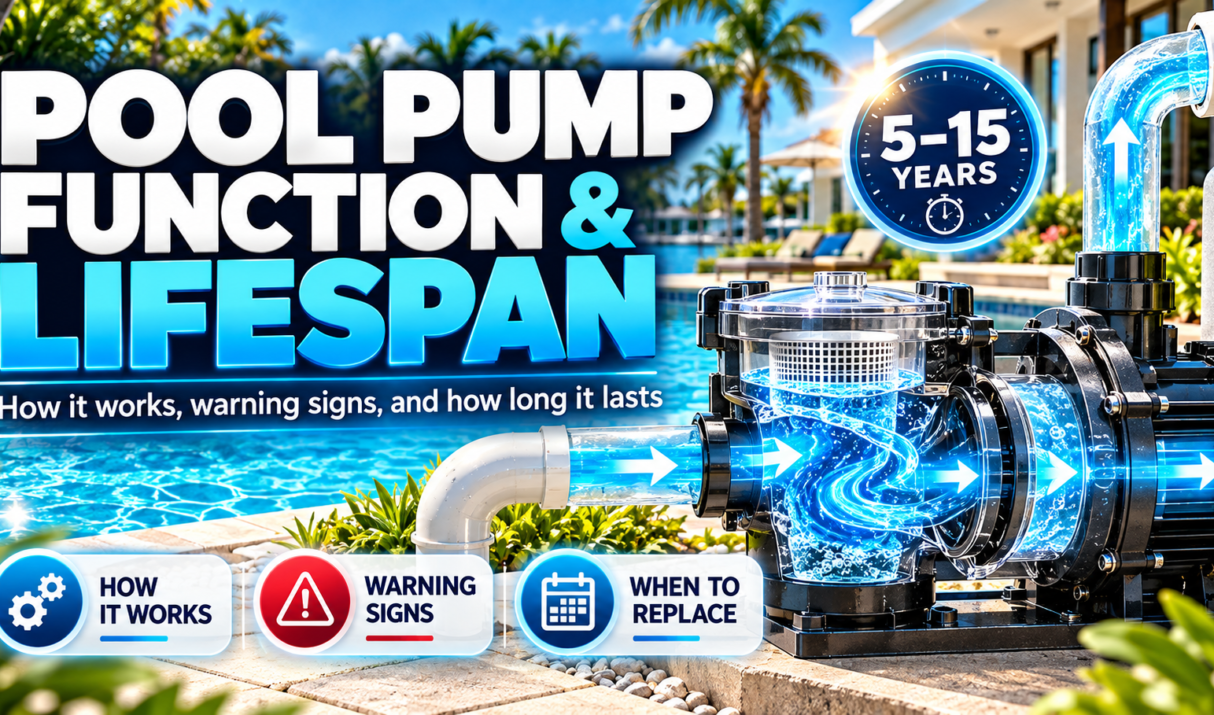
Stagnant water is the ideal environment for deterioration. For a closed aquatic ecosystem to maintain its purity, it requires calculated and uninterrupted movement. At the center of this operation lies an essential electromechanical component that works silently to prevent water degradation. The circulatory system The primary function of the equipment can be understood using the
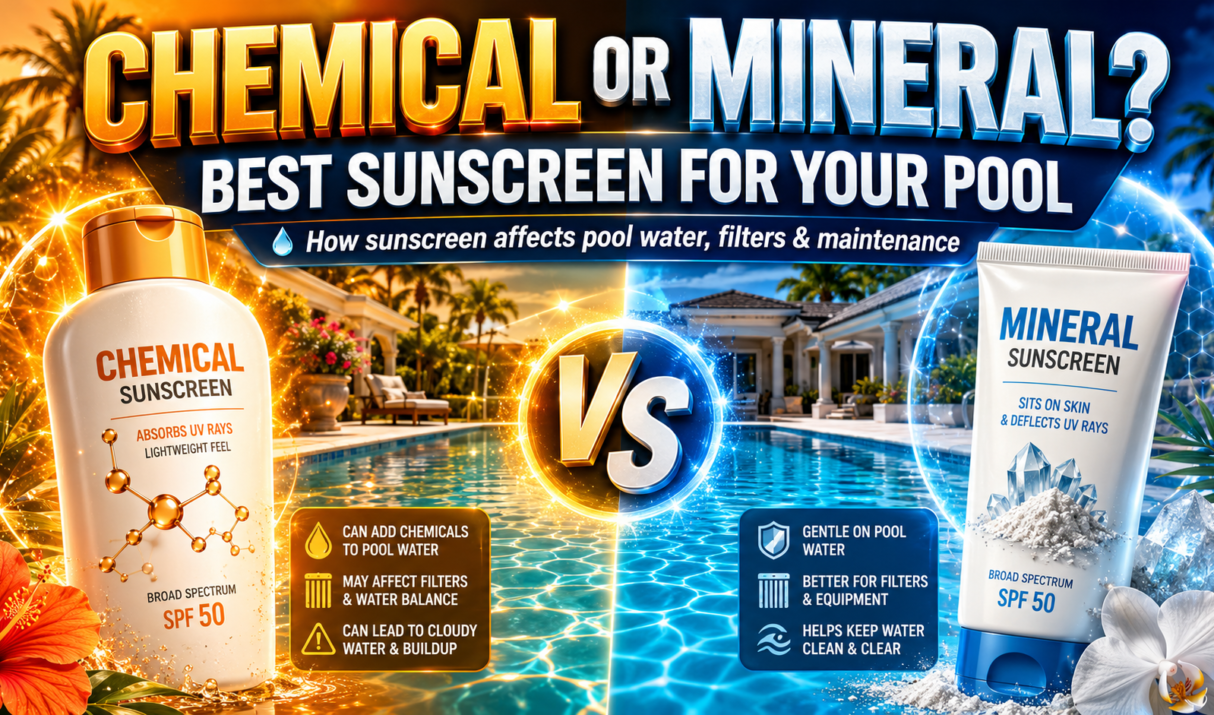
Water care goes far beyond measuring pH or adding chlorine. One of the elements that most alters the delicate chemical balance of an aquatic environment is something that silently enters on the skin of bathers: sunscreen. When evaluating the impact of these lotions from a technical maintenance perspective, a crucial distinction arises between how chemical
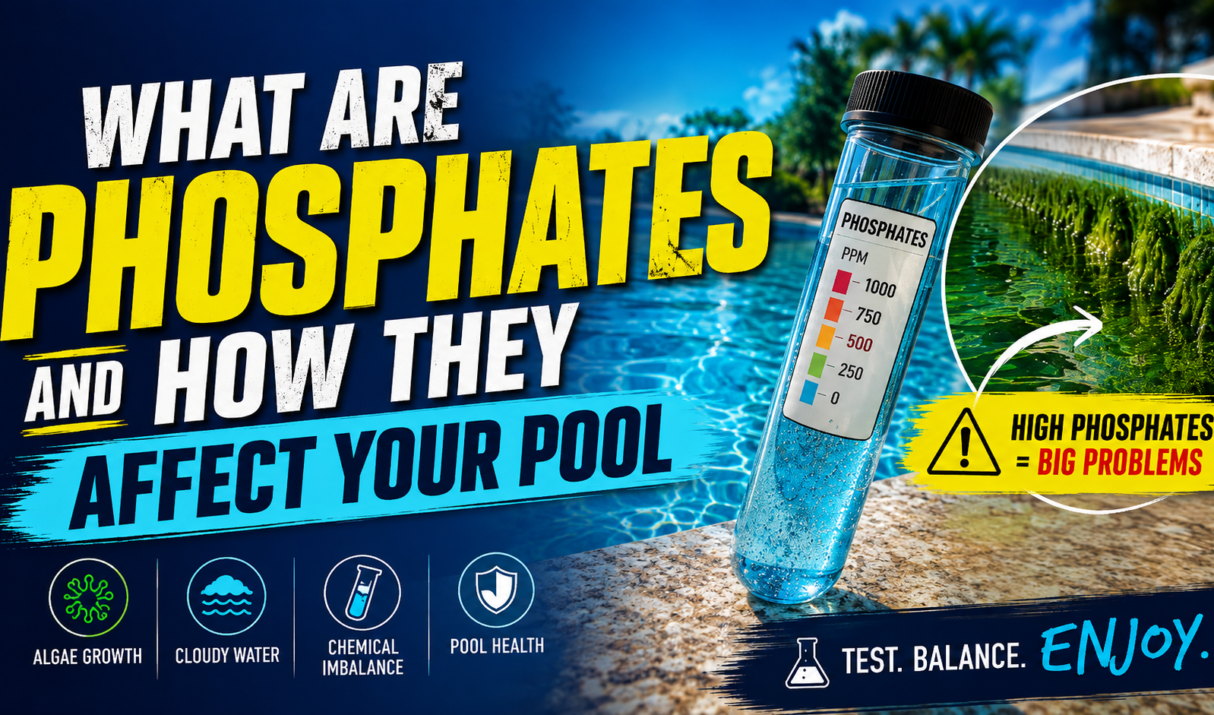
Crystal clear water can be deceiving to the naked eye. Often, chlorine and pH levels seem perfectly balanced, but the water begins to lose its sparkle or develops a greenish tint in a matter of days. Behind this almost invisible phenomenon hide phosphates. The chemistry behind the problem In simple terms, phosphates are chemical compounds

Many people stand in front of the shelves at the pool store wondering if a product will actually work in their pool or if it’s going to end up causing more problems. Those of us who clean pools see this every day. Some products work well and others create more issues than they solve. That’s
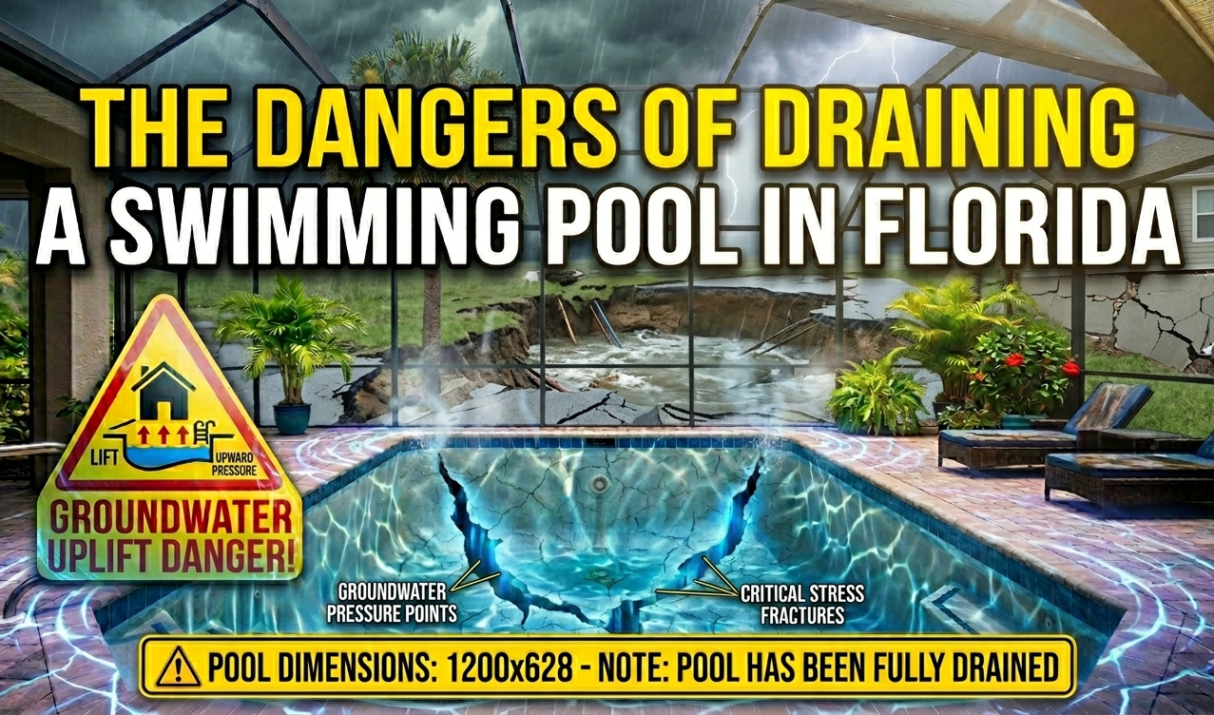
Seeing your pool water completely green frustrates anyone. The first thing we think is: “I’d better drain it all, clean it, and fill it with fresh water.” However, if you live in Florida, doing this is one of the worst mistakes you can make with your property. Here we explain right to the point why