

Organizing a barbecue near the water is one of the most popular outdoor activities during the warm seasons. However, the interaction between a cooking station and the water’s ecosystem goes much deeper than the simple aesthetics of the moment. The proximity of the fire, the smoke, and the food has a direct and silent impact
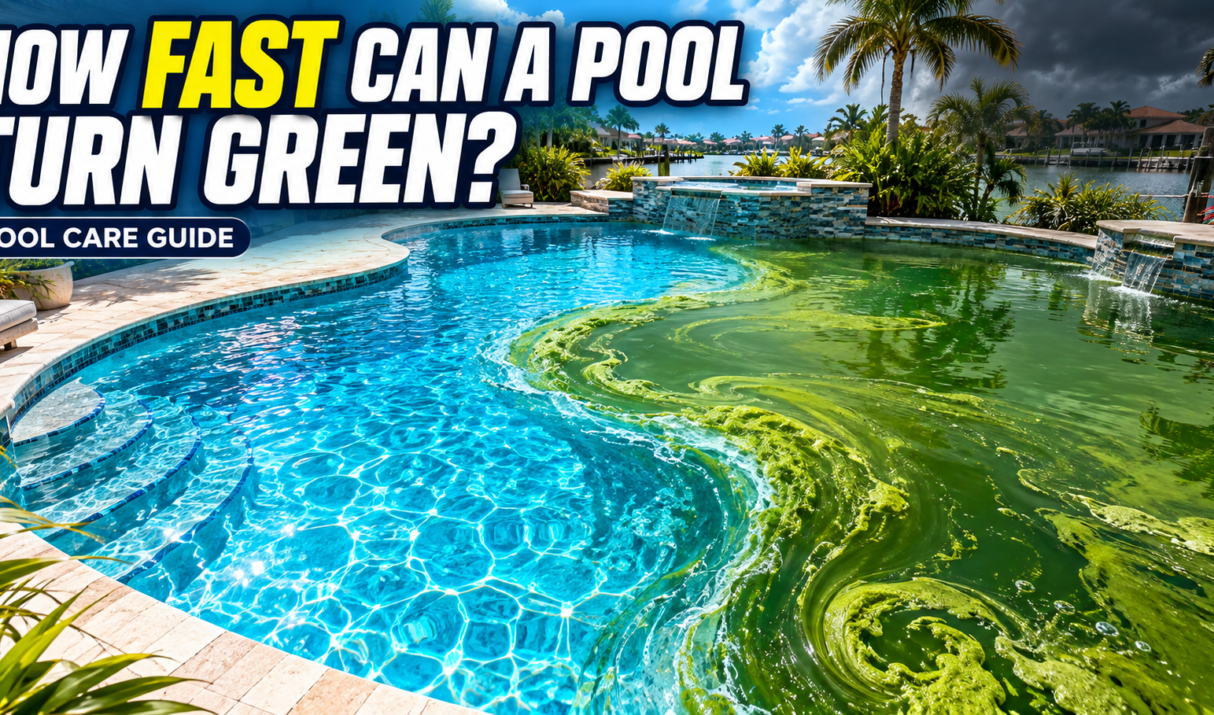
The drastic change from a crystalline oasis to a greenish pond is a phenomenon that seems to occur overnight. And, in fact, from a biological and chemical standpoint, pool water can go from being perfectly clear to acquiring a deep green color in just 24 to 48 hours. To understand the speed of this transformation,
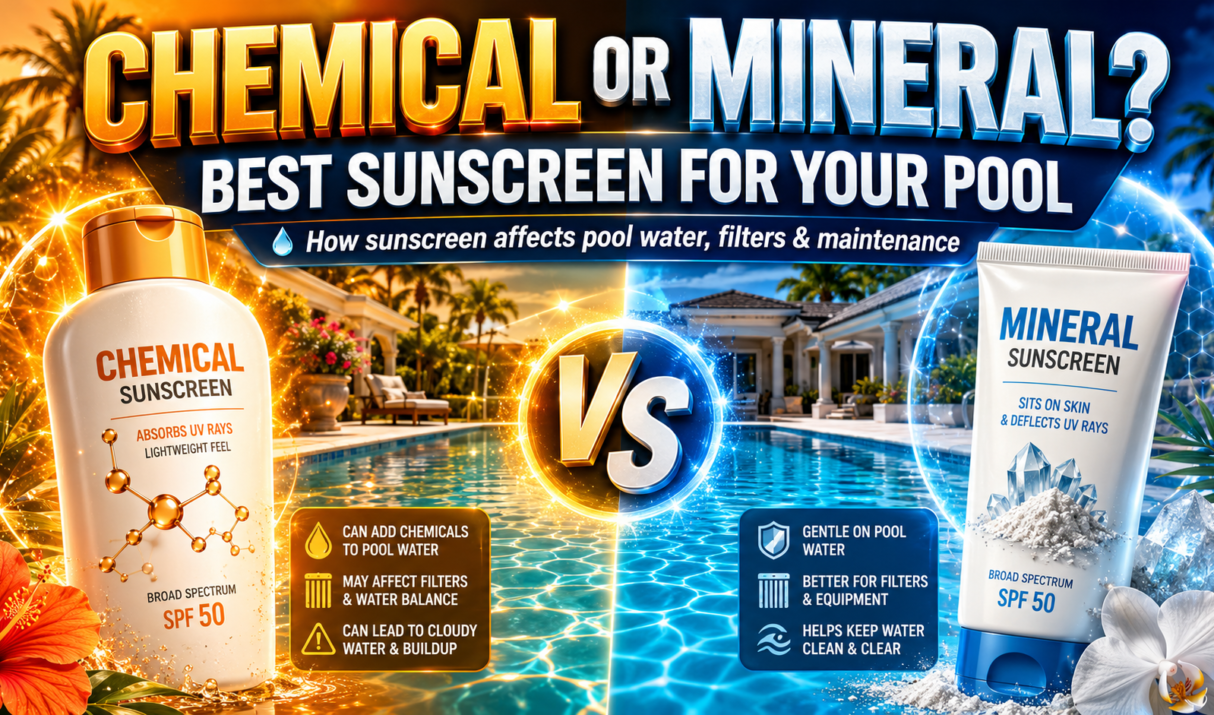
Water care goes far beyond measuring pH or adding chlorine. One of the elements that most alters the delicate chemical balance of an aquatic environment is something that silently enters on the skin of bathers: sunscreen. When evaluating the impact of these lotions from a technical maintenance perspective, a crucial distinction arises between how chemical
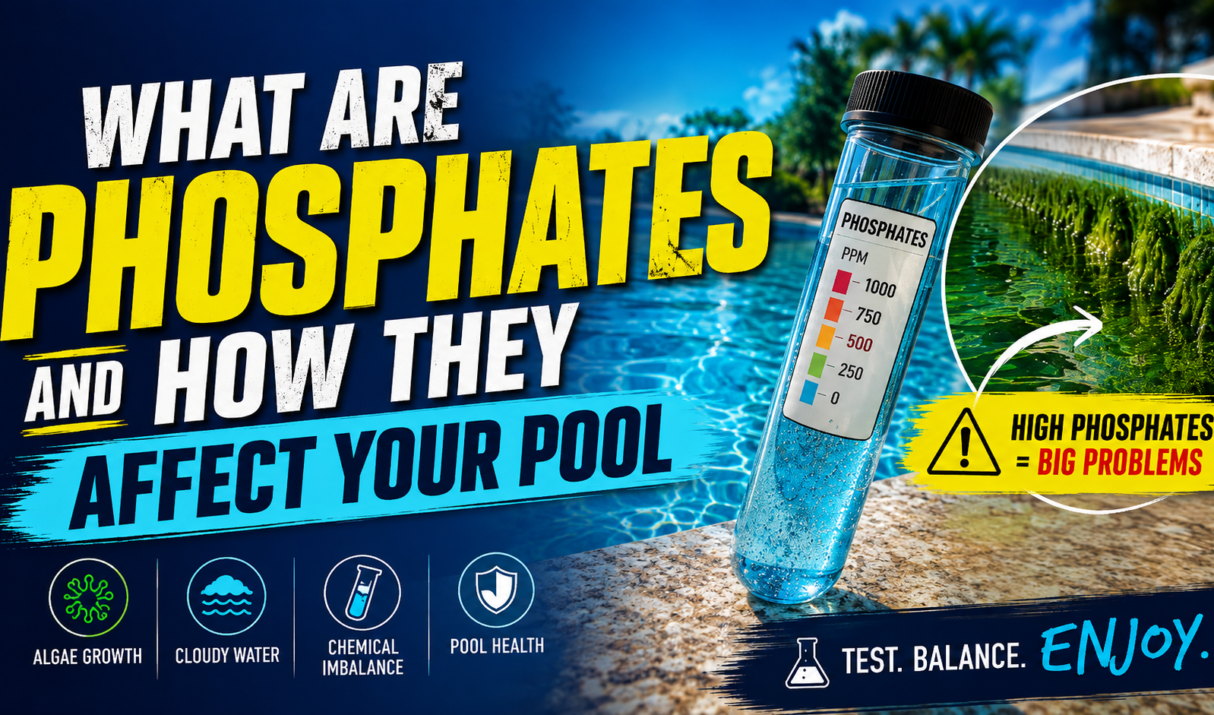
Crystal clear water can be deceiving to the naked eye. Often, chlorine and pH levels seem perfectly balanced, but the water begins to lose its sparkle or develops a greenish tint in a matter of days. Behind this almost invisible phenomenon hide phosphates. The chemistry behind the problem In simple terms, phosphates are chemical compounds
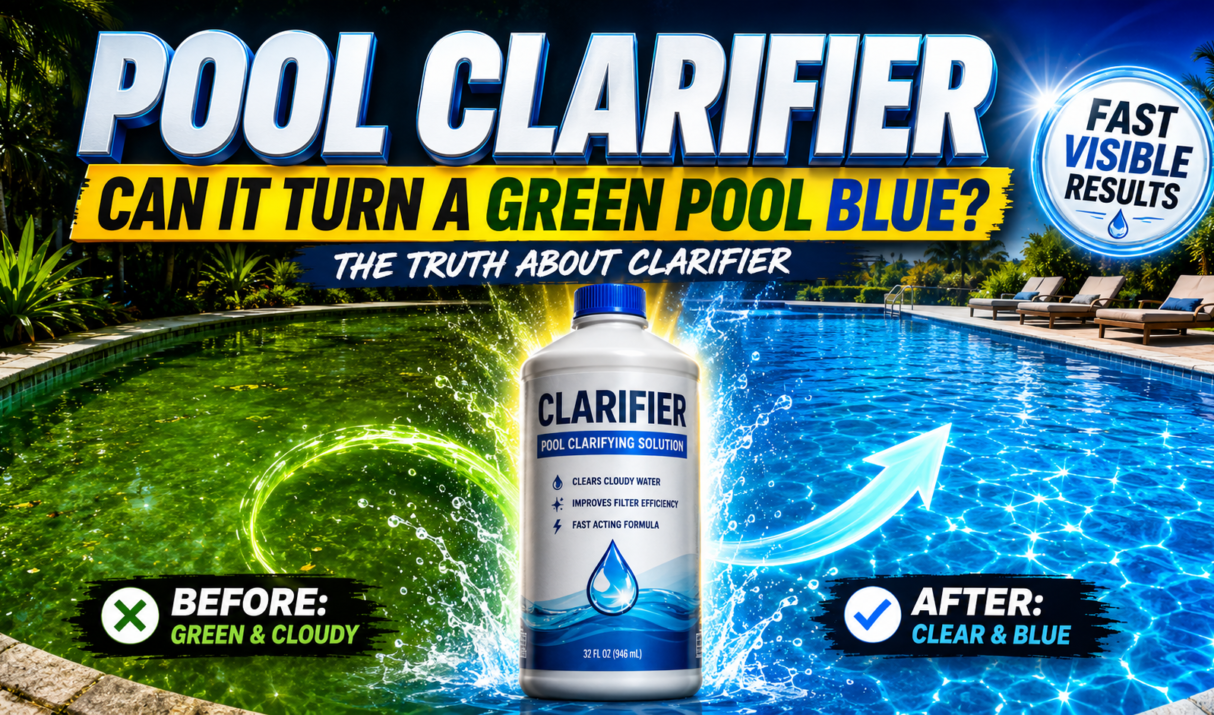
When pool water takes on a murky, green hue, the most common reaction is to look for a quick fix. In this scenario, a clarifier is often seen as a miracle product capable of restoring the water’s crystal-clear blue color. However, the chemistry behind aquatic maintenance reveals a very different and fascinating reality. To understand

Enjoying a bite to eat just a few inches from the water seems like the perfect scene for a day of relaxation. However, when observing this practice from the perspective of water behavior and hydraulic system management, the combination of food and pools reveals chemical dynamics that escape the naked eye. Beyond the obvious risk