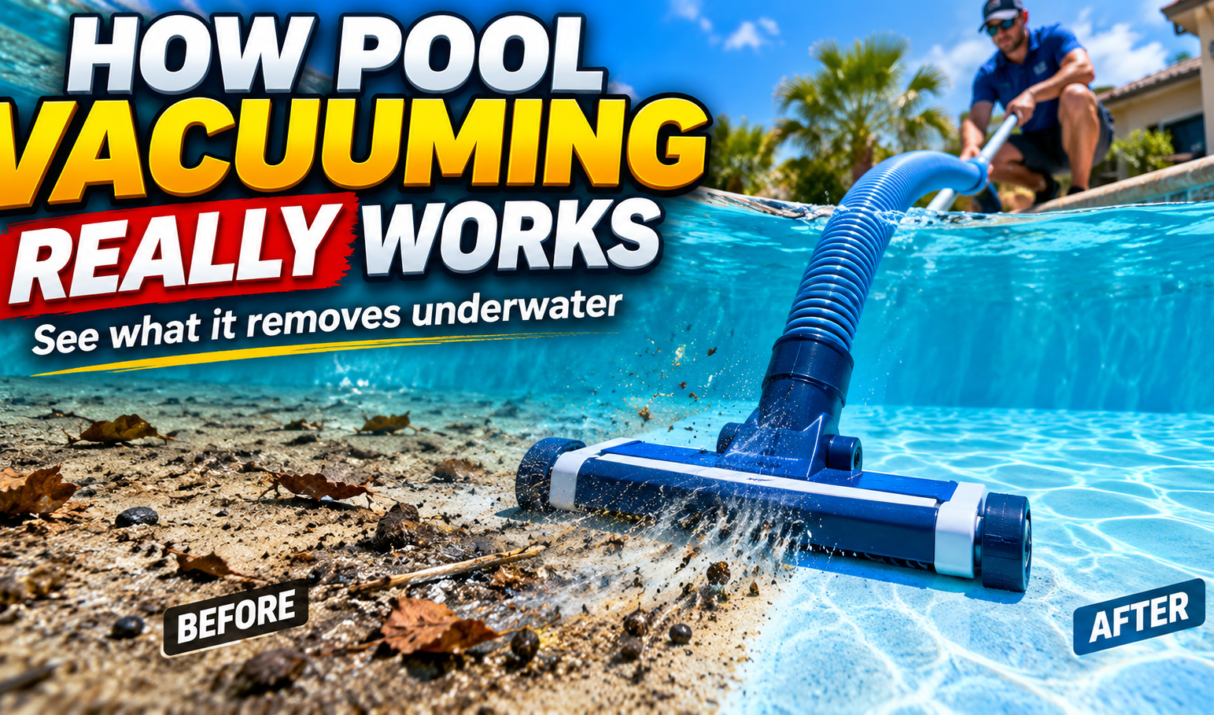

Vacuuming the pool floor seems as simple as running a vacuum cleaner over a living room rug, but underwater, the rules change entirely. It is not about sucking up dirt by brute force, but rather moving water currents with great patience so as not to stir up the bottom. Why going fast ruins the job
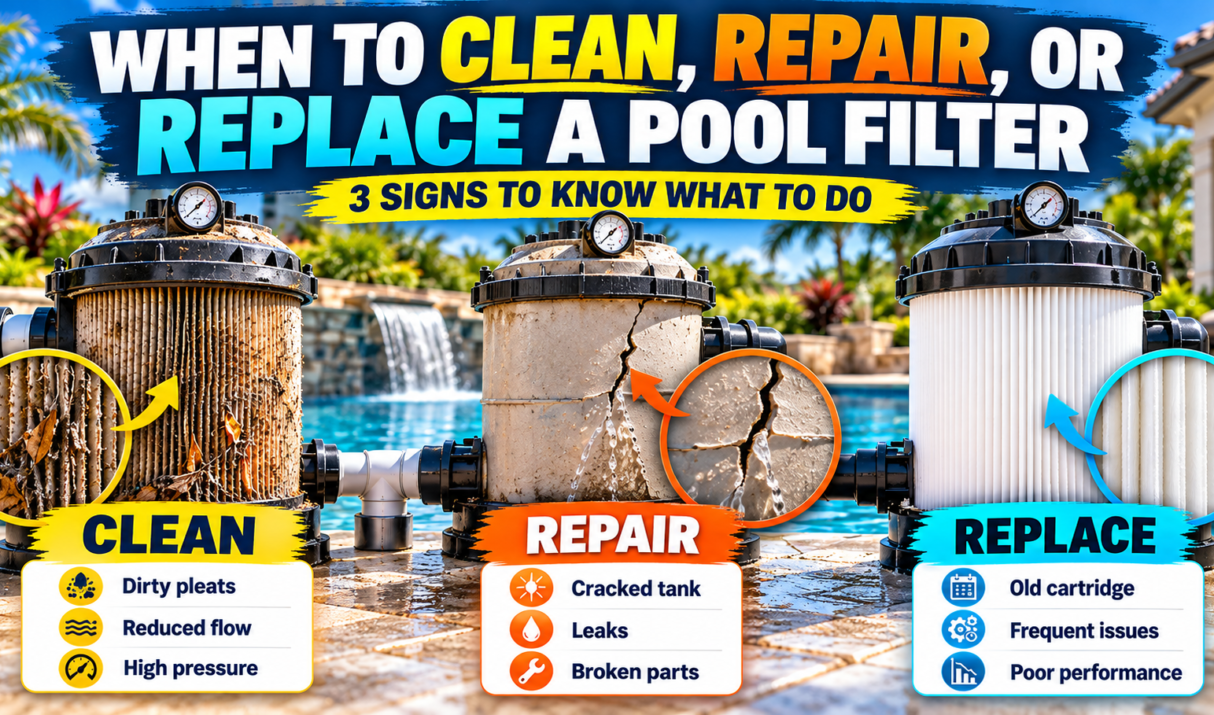
Crystal clear water hides a complex ecosystem where the filter acts as the kidney of the entire hydraulic system. At first glance, water movement might seem sufficient, but on a microscopic level, thousands of particles, oils, and bacteria are in constant circulation. Understanding the physical and hydraulic signals of the filtration equipment prevents this delicate

Water has a particular physics that, when ignored, turns a recreational environment into a silent risk. Water safety usually focuses on vigilance, but the very structure and maintenance of the environment dictate much of the real prevention measures. The suction of the filtration system Few understand the mechanical force operating underwater. Circulation pumps act like

Maintaining truly safe and crystal-clear pool water goes far beyond skimming leaves from the surface; it requires constant technical management. The decision between taking on this responsibility or delegating it depends on the ability to handle invisible chemical variables and the internal workings of the hydraulic system. Lesser-known chemical and mechanical factors Comparison: Autonomous Management
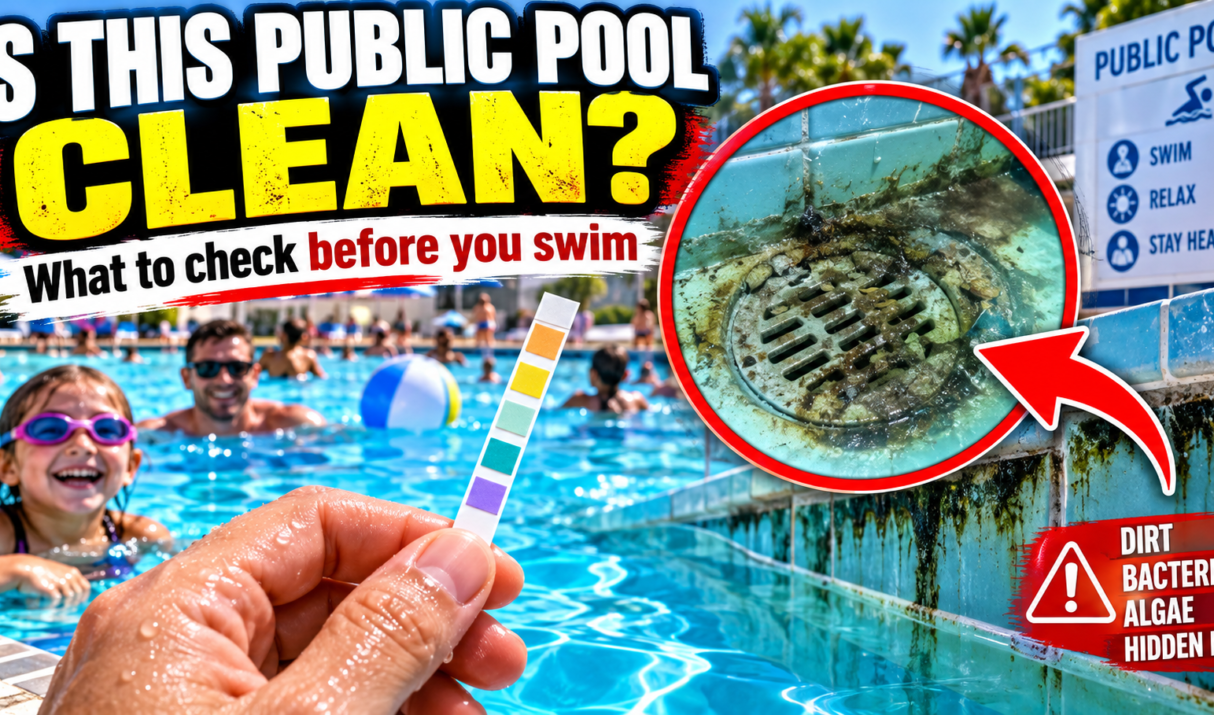
Most people assume that if the water does not look green and has that strong, familiar smell, the pool is spotless. Daily maintenance realities reveal something quite different: water can easily deceive the eye, but a few quick checks can reveal its actual condition within minutes. The false “clean” smell The bubble check and surface

The time an aquatic facility maintains its functionality depends directly on the water’s chemical balance and the precision of its maintenance, rather than the initial manufacturing materials. Below is a breakdown of the actual longevity of each component, the lesser-known physical or chemical factors that dictate their deterioration, and the technical actions required when that