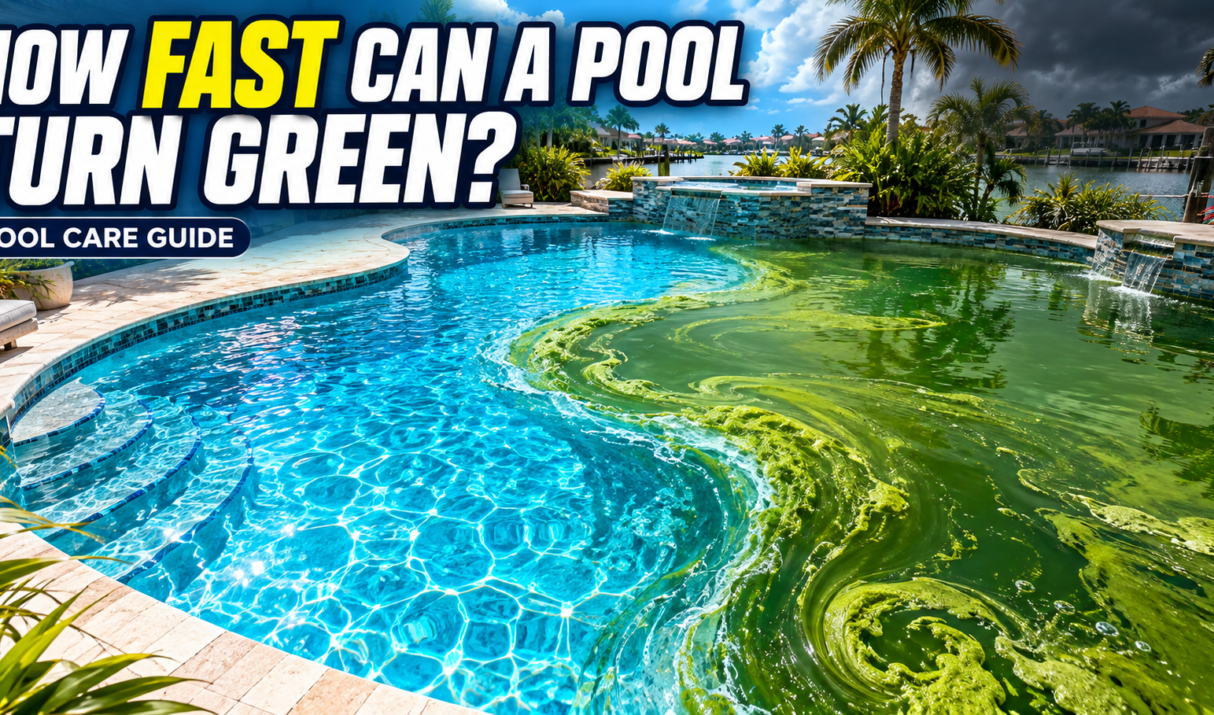

The drastic change from a crystalline oasis to a greenish pond is a phenomenon that seems to occur overnight. And, in fact, from a biological and chemical standpoint, pool water can go from being perfectly clear to acquiring a deep green color in just 24 to 48 hours. To understand the speed of this transformation,
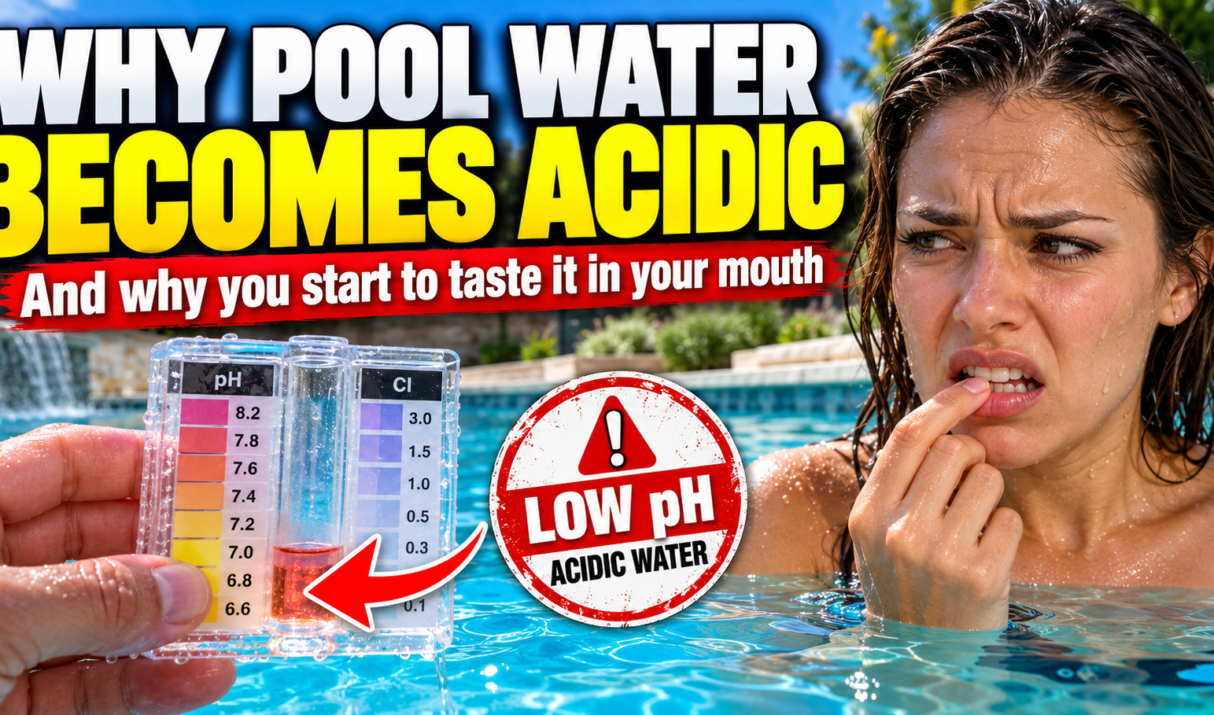
Submerging yourself in the water and suddenly noticing a sour, sharp, or even metallic taste in your mouth is not a product of your imagination. This phenomenon is a direct, physical sign that the aquatic environment has undergone a chemical alteration—specifically, a drop in its pH levels, becoming acidic. To understand why this happens, it
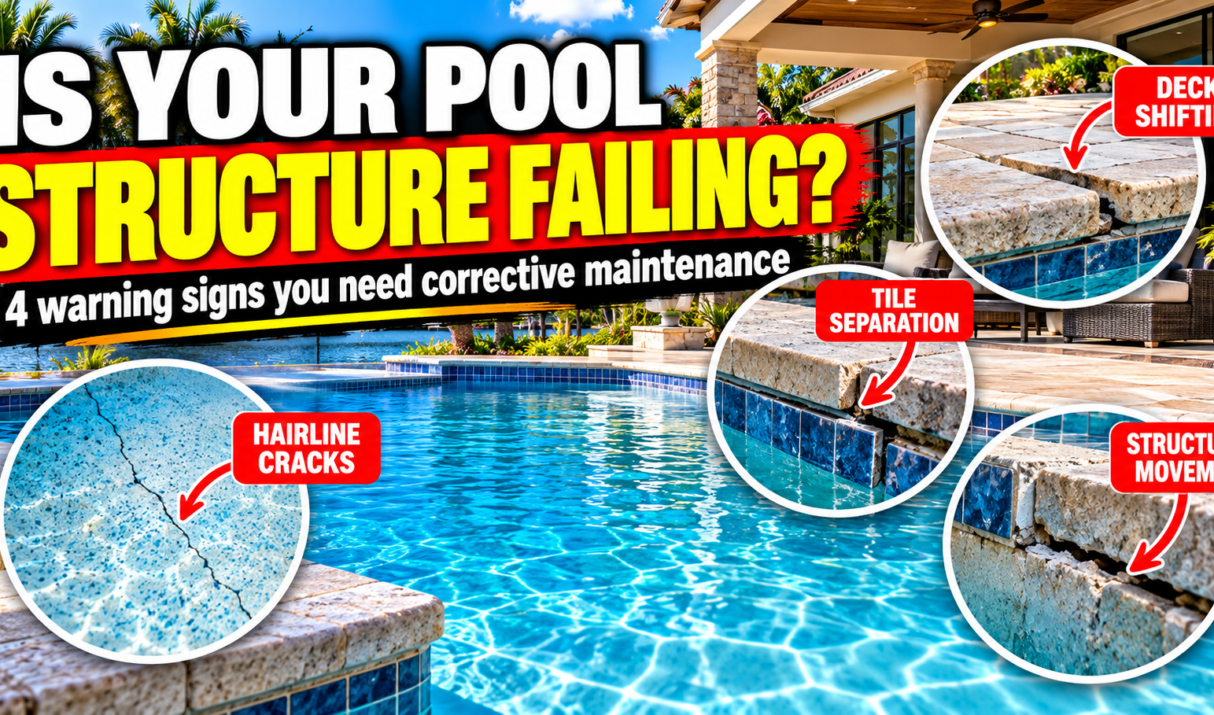
Crystal-clear water often hides what is really happening beneath the surface. Maintaining chemical balance and cleanliness is a standard practice, but the pool structure itself has its own language. Detecting in time when the pool shell or structural framework requires corrective intervention prevents much larger problems. To the naked eye, internal deterioration is often confused
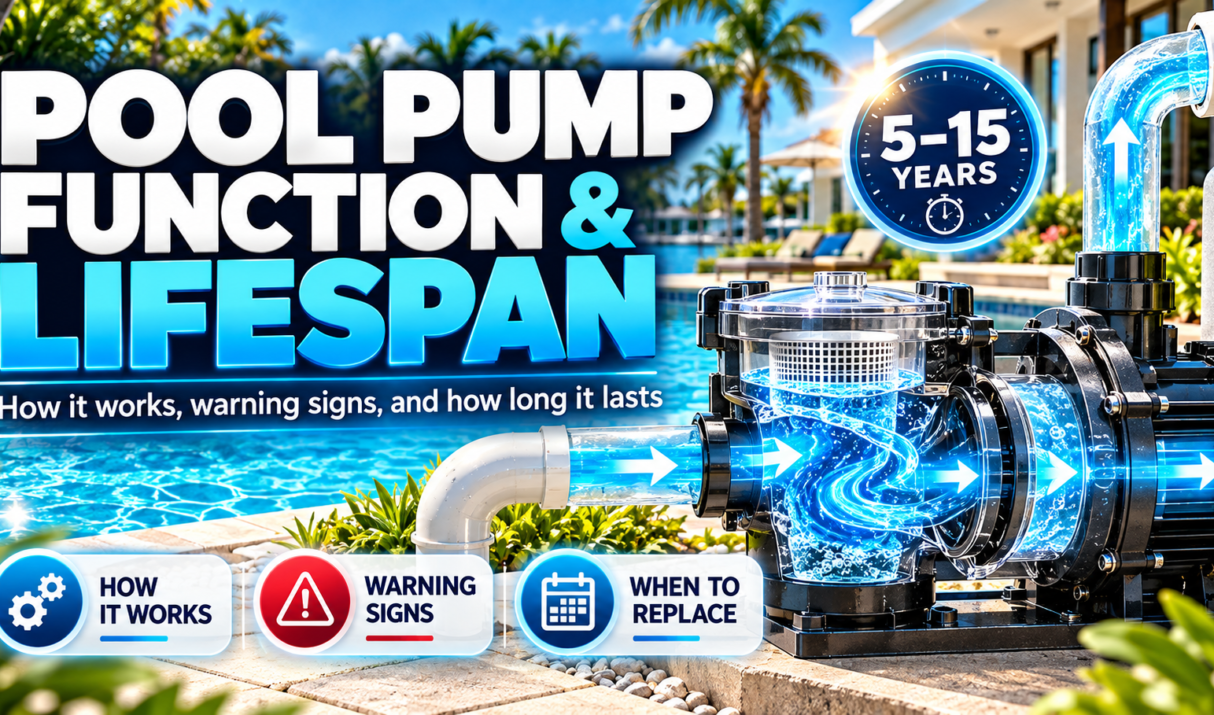
Stagnant water is the ideal environment for deterioration. For a closed aquatic ecosystem to maintain its purity, it requires calculated and uninterrupted movement. At the center of this operation lies an essential electromechanical component that works silently to prevent water degradation. The circulatory system The primary function of the equipment can be understood using the

A swimming pool is a delicate chemical ecosystem where every organic residue disrupts the sanitization balance. When a swimmer enters the water, the skin carries perspiration, dead cells, and cosmetic residues that react immediately with sanitizing agents. Applying the right products before diving in protects both the swimmer’s body and the water chemistry. Mineral sunscreen
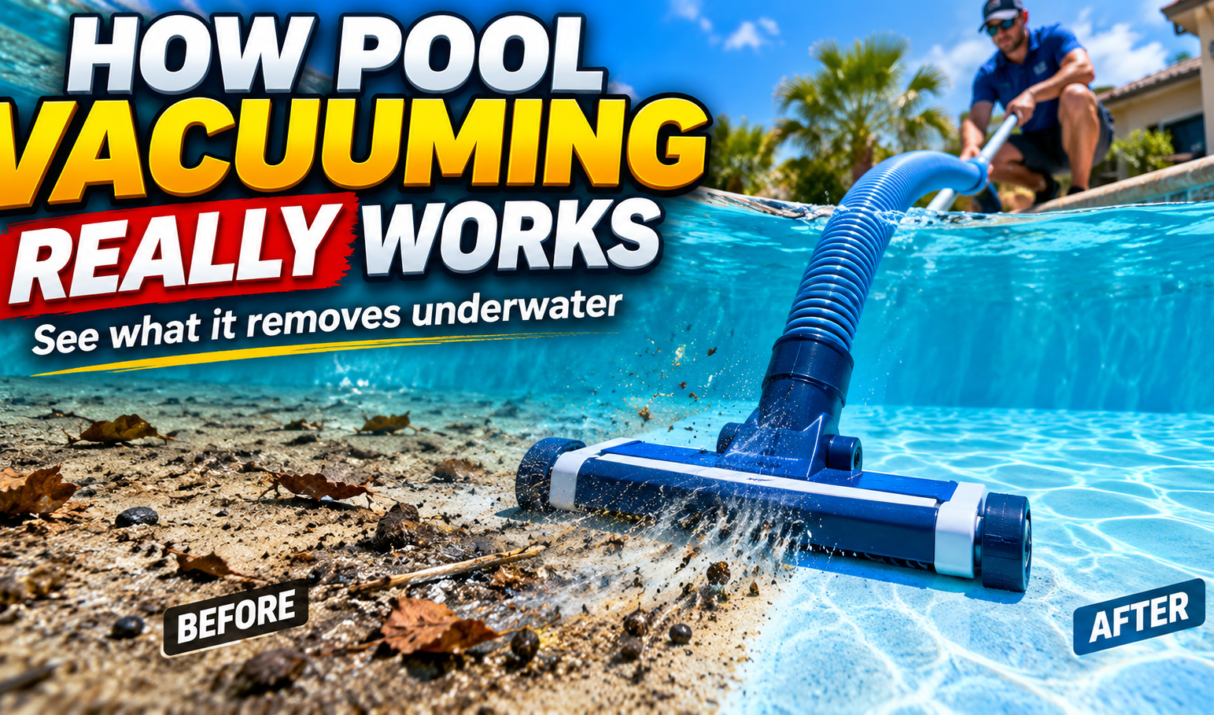
Vacuuming the pool floor seems as simple as running a vacuum cleaner over a living room rug, but underwater, the rules change entirely. It is not about sucking up dirt by brute force, but rather moving water currents with great patience so as not to stir up the bottom. Why going fast ruins the job